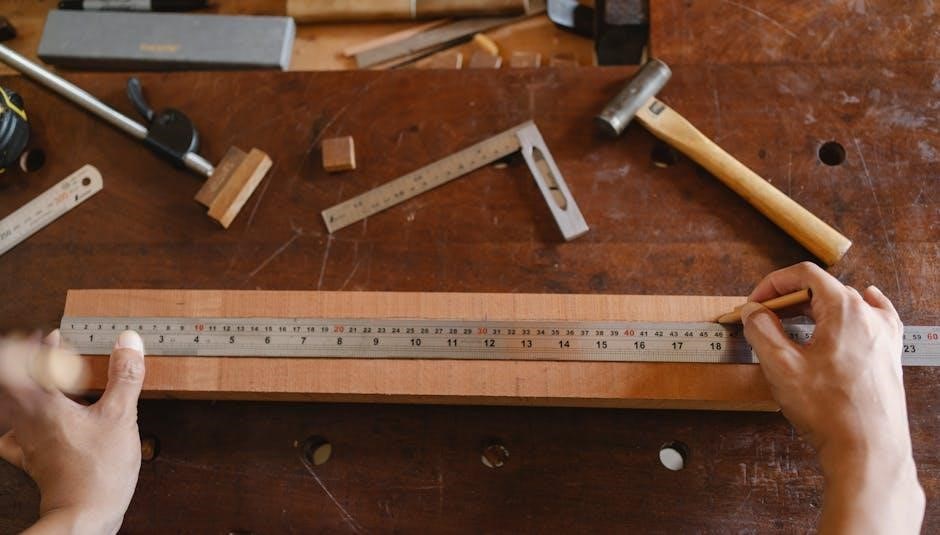
Coffee Table Woodworking Plans PDF: An Overview
Discover a world of DIY coffee table creation! PDF plans offer step-by-step guidance, from rustic designs to modern styles, empowering builders of all skill levels.
Embarking on a coffee table woodworking project begins with understanding the available plans. These plans, often found in PDF format, serve as detailed blueprints for constructing a table tailored to your aesthetic and functional needs. They range from incredibly simple designs, perfect for beginners, to complex builds demanding advanced woodworking skills.
PDF plans typically include material lists, cutting diagrams, assembly instructions, and sometimes even video tutorials. Exploring various styles – rustic, farmhouse, industrial – allows you to choose a project aligning with your home décor. Before starting, carefully review the plan’s complexity and ensure you possess the necessary tools and experience. A well-chosen plan is the foundation of a successful and enjoyable woodworking experience, transforming raw materials into a beautiful centerpiece for your living space.
Why Choose a DIY Coffee Table?
Opting for a DIY coffee table offers numerous advantages beyond simply saving money. Building your own allows for complete customization – size, shape, style, and finish are all dictated by your preferences, ensuring a perfect fit for your living room. Utilizing woodworking plans, particularly those in PDF format, empowers you to create a unique piece unavailable in stores.
Furthermore, DIY projects foster a sense of accomplishment and provide valuable woodworking skills. It’s a rewarding experience to transform raw materials into a functional and beautiful piece of furniture. Beyond the personal satisfaction, a handmade table often boasts superior quality and durability compared to mass-produced alternatives. Choosing a DIY route is an investment in both your home and your skillset.

Essential Tools and Materials
Successful coffee table builds require basic tools like saws, drills, and sanders. Wood choices vary – pine, oak, or reclaimed lumber – alongside fasteners and finishing supplies.
Wood Selection for Coffee Tables
Choosing the right wood is crucial for both aesthetics and durability. Pine is a budget-friendly option, easy to work with, but softer and prone to dents. Oak, a hardwood, offers superior strength and a classic look, ideal for heirloom-quality tables. Reclaimed wood provides unique character and sustainability, though it may require extra preparation.
Consider the table’s style; rustic designs benefit from rough-sawn lumber, while modern tables often utilize smooth, refined hardwoods like maple or walnut. The wood’s grain pattern also impacts the final appearance. PDF plans often specify wood types, but feel free to substitute based on availability and preference, adjusting joinery techniques as needed. Always ensure the wood is properly dried to prevent warping or cracking after assembly.
Required Tools for the Project
Successfully completing a coffee table build requires a basic set of woodworking tools. A circular saw or table saw is essential for accurate cuts, while a miter saw simplifies angled cuts. A drill/driver is needed for assembling the frame and attaching the tabletop. Sanding tools, including an orbital sander, are vital for achieving a smooth finish.
Additional tools like clamps secure pieces during glue-up, and a measuring tape and square ensure accuracy. Safety gear – safety glasses, ear protection, and a dust mask – are non-negotiable. PDF plans will often indicate specific tool requirements. While some tasks can be done with hand tools, power tools significantly speed up the process and improve precision.
Safety Precautions
Woodworking demands strict adherence to safety protocols. Always wear safety glasses to protect your eyes from flying debris. Ear protection is crucial when operating loud power tools like saws and sanders. A dust mask or respirator prevents inhalation of harmful wood particles, especially during sanding.
Ensure your workspace is well-ventilated. Secure workpieces with clamps to prevent movement during cutting or drilling. Never reach over or around running blades. Disconnect power tools before changing blades or making adjustments. Familiarize yourself with the safety features of each tool before use. Following PDF plan safety notes is also vital for a secure build.

Types of Coffee Table Plans
Explore diverse plans! Rustic, farmhouse, and industrial styles are popular choices, offering varying complexities and aesthetics for your woodworking project.
Simple Rustic Coffee Table Plans
For beginners, rustic coffee table plans often prioritize ease of construction and readily available materials. These designs frequently utilize reclaimed wood, offering a charming, weathered aesthetic. Expect straightforward joinery techniques like butt joints reinforced with screws, minimizing the need for complex tools or advanced skills.
PDF plans for rustic tables typically feature chunky legs and a solid, often rectangular, tabletop. Detailed diagrams illustrate cutting lists, assembly sequences, and finishing suggestions – often involving a simple stain or protective sealant to enhance the wood’s natural grain. Many free plans emphasize affordability, utilizing pallet wood or inexpensive lumber. These plans are ideal for quickly building a functional and visually appealing centerpiece for any living space, embodying a cozy, down-to-earth vibe.
Modern Farmhouse Coffee Table Plans
Modern farmhouse plans blend rustic charm with clean lines, creating a versatile aesthetic. PDF plans in this style often incorporate painted bases – typically white or muted tones – paired with natural wood tops. Construction frequently involves building a frame with apron supports for added stability and visual interest.
Expect to find plans detailing the creation of board-and-batten style sides or incorporating simple shaker-style legs. These designs often feature a distressed finish on the base, achieved through techniques like dry brushing or light sanding. Detailed plans will provide precise measurements for creating a balanced and proportional table. Many plans include options for adding lower shelves for storage, enhancing functionality while maintaining the signature farmhouse appeal.
Industrial Style Coffee Table Plans
Industrial coffee table plans emphasize raw materials and a utilitarian aesthetic. PDF guides in this style frequently feature metal pipe legs – often black iron – combined with solid wood tops, showcasing a blend of ruggedness and refinement. Plans detail how to construct a sturdy frame, often utilizing welding or robust screw connections for the metal components.
Expect to find designs incorporating reclaimed wood, adding to the authentic industrial vibe. Detailed plans will specify pipe diameters, threading requirements, and wood dimensions for a secure and visually appealing build. Some plans include options for adding lower shelves constructed from metal grating or repurposed wood pallets. The focus is on exposing the materials and celebrating their inherent textures, creating a durable and stylish centerpiece.

Detailed Plan Breakdown: Basic Construction
Begin with precise wood cutting, followed by assembling a robust table frame. Securely attach the tabletop, ensuring alignment and stability for a lasting build.
Cutting the Wood Pieces
Precise cuts are fundamental to successful coffee table construction. Your PDF plans will detail exact dimensions for each component – legs, apron, tabletop sections, and any supporting structures. Utilize a miter saw for accurate angled cuts, crucial for frame joinery. A circular saw excels at straight cuts for the tabletop.

Always double-check measurements before cutting; errors compound quickly. Consider wood grain direction for strength and aesthetics. Label each piece immediately after cutting to avoid confusion during assembly. Employ safety glasses and hearing protection throughout the cutting process. Some plans may require specialized cuts, like tapering legs – a table saw with a tapering jig is ideal for this. Remember to account for blade kerf (the width of the cut) in your measurements.
Assembling the Table Frame
With all wood pieces cut, frame assembly begins. Your PDF plans will illustrate joinery methods – pocket screws, mortise and tenon, or simple butt joints with screws and glue. Ensure squareness throughout the process; use a framing square frequently. Apply wood glue to all joining surfaces for maximum strength, clamping securely until dry.
Pocket screws offer a fast, strong connection, ideal for beginners. Mortise and tenon joints, while more complex, provide exceptional durability. Check for wobble or unevenness as you assemble. If necessary, use shims to level the frame. Pre-drilling screw holes prevents wood splitting. A well-built frame is the foundation of a sturdy coffee table.
Attaching the Table Top
Once the frame is solid, carefully position the tabletop. Your PDF plans will detail attachment methods – screws from underneath, table top fasteners, or cleats. Center the top, ensuring equal overhang on all sides. Pre-drilling pilot holes is crucial to prevent splitting, especially with hardwoods. Use screws of appropriate length; too long, and they’ll protrude.
Table top fasteners allow for wood movement, preventing cracking as humidity changes. Cleats provide a strong, concealed attachment. Apply a thin bead of glue between the frame and tabletop for added stability. Double-check alignment before fully securing. A securely attached tabletop completes the coffee table’s construction.

Advanced Techniques & Design Elements
Elevate your coffee table! Explore drawers, shelves, metal accents, and sophisticated finishing techniques like staining and sealing for a personalized touch.
Adding Drawers or Shelves
Integrating drawers or shelves into your coffee table design significantly enhances its functionality and storage capacity. PDF plans often detail specific dimensions and joinery techniques for constructing these additions. Consider the table’s overall style when deciding on drawer or shelf placement – rustic tables benefit from simpler, exposed shelf designs, while modern tables might feature concealed drawers with sleek hardware.
Drawer construction requires precise measurements and attention to detail, ensuring smooth operation. Plans will guide you through building drawer boxes, installing drawer slides, and crafting drawer fronts. Shelves can be fixed or floating, depending on the desired aesthetic. Floating shelves require robust mounting hardware and careful consideration of weight capacity. Remember to account for the added weight when selecting wood and hardware.
Proper planning is crucial; ensure the additions don’t compromise the table’s structural integrity or aesthetic balance.

Incorporating Metal Accents
Elevate your coffee table’s aesthetic by skillfully incorporating metal accents. PDF plans frequently showcase designs featuring metal legs, frames, or decorative elements, blending industrial chic with woodworking artistry. Steel, iron, and even brass can be used to create striking contrasts and enhance durability.
Metal leg attachment requires precise drilling and secure fastening. Plans will specify appropriate screw sizes and recommend welding techniques for a robust connection. Consider using metal corner braces for added stability. Decorative metal straps or inlays can add visual interest to the tabletop or sides.
Ensure the metal finish complements the wood stain or paint. Black iron pairs well with rustic designs, while brushed steel suits modern styles. Careful planning and execution will result in a stunning, unique coffee table.
Finishing Techniques: Staining & Sealing
Achieving a professional finish is crucial for protecting your coffee table and enhancing its beauty. PDF plans often detail staining and sealing processes, guiding you through selecting the right products for your wood type and desired aesthetic.
Staining imparts color and highlights the wood grain. Water-based stains are low-VOC and easy to apply, while oil-based stains offer richer tones. Always test stain on a scrap piece first! After staining, allow ample drying time before applying a sealer.
Sealing protects against moisture, scratches, and wear. Polyurethane, varnish, and lacquer are common choices, each offering varying levels of durability and sheen. Multiple coats, lightly sanded between applications, provide optimal protection and a flawless finish.

Finding and Utilizing PDF Plans
Locate downloadable PDF plans from various online sources, offering diverse designs. Understanding plan symbols and measurements is key to successful coffee table construction.
Reliable Sources for Free PDF Plans
Embarking on a DIY coffee table project often begins with sourcing reliable, free PDF plans. Numerous online platforms cater to woodworking enthusiasts, providing a wealth of options. Websites dedicated to woodworking, like Ana White and Woodworking for Mere Mortals, frequently offer downloadable plans for various skill levels.
Pinterest serves as a visual discovery engine, linking to numerous free plans hosted on personal blogs and websites. However, always verify the source’s credibility before commencing construction. YouTube channels specializing in woodworking often provide links to accompanying PDF plans in their video descriptions.
Beware of untrustworthy sources; prioritize plans with clear diagrams, detailed instructions, and material lists. Remember to always double-check measurements and adapt plans to your specific needs and available resources.
Understanding Plan Symbols and Measurements
Decoding coffee table woodworking plans requires familiarity with common symbols and measurement conventions. Plans typically utilize standard abbreviations for length (L), width (W), and height (H), often expressed in inches or millimeters. Pay close attention to the units specified!
Symbols represent various woodworking operations: dotted lines indicate hidden features, arrows denote direction of assembly, and circles highlight specific joinery techniques. Understanding these visual cues is crucial for accurate construction.
Always verify the scale of the drawings before cutting any wood. A properly scaled plan ensures accurate dimensions. Be mindful of tolerances – plans may not account for the exact thickness of your materials. Double-checking measurements and performing test cuts are highly recommended.
Modifying Plans to Suit Your Needs
Adapting pre-made coffee table plans to your personal style and available resources is a common practice. Don’t hesitate to adjust dimensions to fit your living space or desired aesthetic. Increasing the table’s length or altering the height are straightforward modifications.
Consider material substitutions. If a plan calls for expensive hardwood, explore using more affordable alternatives like pine or plywood. Remember to account for differences in strength and workability.
Adding personal touches, such as incorporating metal accents or changing the leg style, can elevate your project. However, significant alterations may require recalculating material lists and adjusting joinery methods. Careful planning is key to a successful modification!

Troubleshooting Common Issues
Encountering challenges is normal! Address wood imperfections, assembly difficulties, and finishing problems with patience and appropriate techniques for a flawless result.
Dealing with Wood Imperfections
Wood, a natural material, often presents imperfections like knots, grain variations, or minor cracks. Don’t immediately discard pieces with these flaws! Knots can add character to a rustic design, while careful planning can work around cracks. Small imperfections can often be filled with wood filler, sanded smooth, and seamlessly integrated into the final finish.
For larger imperfections, consider incorporating them into the design – perhaps a resin fill for a unique accent. Always assess the structural integrity; if an imperfection compromises strength, the wood should be avoided for critical support elements. Understanding wood grain direction is crucial when working around flaws, ensuring stability and preventing future splitting. Embrace the natural beauty and character of the wood, turning potential problems into design features!
Addressing Assembly Challenges
Assembling a coffee table can present challenges, particularly ensuring squareness and tight joints. Dry-fitting all pieces before applying glue is crucial – identify any gaps or misalignments; Clamps are your best friend! Use multiple clamps to apply even pressure while the glue dries, preventing warping or shifting.
If joints aren’t flush, a rubber mallet can gently persuade pieces into place. Countersinking screws properly prevents wood splitting, and pre-drilling pilot holes is essential. Don’t overtighten screws, as this can strip the wood. For complex assemblies, work in stages, allowing each section to fully dry before moving on. Patience and careful alignment are key to a structurally sound and aesthetically pleasing coffee table.
Finishing Problems and Solutions
Finishing can elevate your coffee table, but issues arise. Blotchy stain? Ensure wood is sanded evenly and apply stain with the grain. Raise the grain with a damp cloth before staining for better absorption. Bubbles in sealant indicate improper application – use a high-quality brush and avoid over-application.
Drips or runs can be carefully sanded once dry, followed by a light re-coat. If the finish feels sticky, it may require more drying time or a thinner coat. Uneven sheen suggests inconsistent application; multiple thin coats are preferable to one thick one. Always test your finish on scrap wood first to avoid surprises!

Resources and Further Learning
Expand your skills! Online communities, woodworking books, and supply stores offer invaluable support and materials for successful coffee table builds.
Online Woodworking Communities
Engage with fellow enthusiasts in vibrant online woodworking communities! Platforms like Reddit’s r/woodworking and dedicated forums provide a space to share projects, ask questions, and receive constructive feedback on your coffee table builds. These communities are treasure troves of knowledge, offering solutions to common challenges and inspiring new design ideas.
Benefit from the collective experience of seasoned woodworkers who readily offer guidance on plan interpretation, wood selection, and finishing techniques. Many communities host project showcases where you can find inspiration and learn from others’ successes and mistakes. Don’t hesitate to post your progress and seek advice – the woodworking community is generally incredibly supportive and eager to help beginners and experts alike achieve stunning results with their coffee table projects.
Recommended Woodworking Books
Expand your skillset with foundational woodworking books! “The Complete Manual of Woodworking” by Albert Jackson and David Day offers comprehensive techniques applicable to coffee table construction. For design inspiration, explore “Fine Woodworking on Tables” which showcases diverse table styles and construction methods.
Consider “Understanding Wood” by R. Bruce Hoadley for a deeper dive into wood properties, crucial for selecting the right materials for your project. These resources complement PDF plans by providing a theoretical understanding of woodworking principles. They’ll help you troubleshoot issues, refine your techniques, and ultimately build a more durable and aesthetically pleasing coffee table. Investing in these books will elevate your woodworking journey beyond simply following instructions.
Where to Purchase Wood and Supplies
Source quality materials from local lumberyards for personalized service and wood selection. National chains like Home Depot and Lowe’s offer convenience and a wide range of options, including pre-cut lumber. Specialty hardwood dealers provide exotic or specific wood species ideal for unique coffee table designs.
For hardware – screws, nails, hinges – consider dedicated hardware stores or online retailers like Amazon. Don’t forget finishing supplies: stains, sealers, and sandpaper are readily available at paint stores and home improvement centers. Comparing prices and considering shipping costs is vital. Supporting local businesses often ensures better quality and expert advice for your coffee table woodworking project.